Introduction
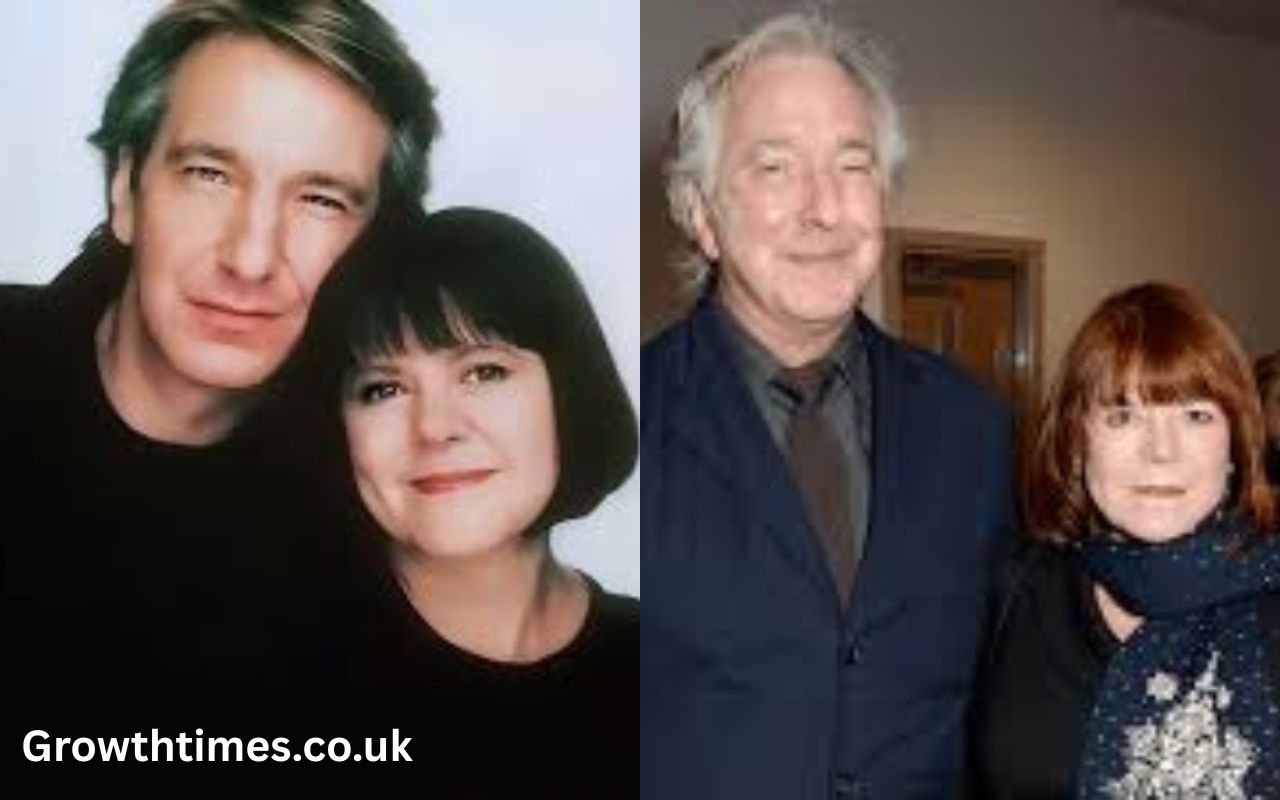
When people hear the name Rima Horton, they often think of her enduring relationship with the late actor Alan Rickman. However, reducing her story to a famous marriage would overlook a remarkable life filled with academic achievement, political commitment, and public service. For decades, Horton built her own reputation as an economics lecturer, Labour Party politician, and advocate for education and social equality. While she never sought celebrity status, her work in classrooms, local government, and charitable organizations left a meaningful impact on countless lives.
Table of Contents
ToggleWhat makes Rima Horton particularly fascinating is her ability to balance public service with personal privacy. In a world where public figures often share every detail of their lives, Horton chose a different path. She dedicated herself to teaching, community development, and political engagement while maintaining a grounded and thoughtful lifestyle. Her journey reflects the power of quiet leadership and demonstrates how influence can be built through consistency, integrity, and genuine commitment to helping others.
Today, Rima Horton remains an inspiring example of intellectual excellence and personal resilience. Her story extends far beyond headlines and celebrity connections. It is the story of a woman who pursued knowledge, championed social causes, and remained devoted to her values throughout every stage of her life.
Quick Facts About Rima Horton
| Fact | Details |
|---|---|
| Full Name | Rima Elizabeth Horton |
| Date of Birth | January 31, 1947 |
| Age | 79 Years (2026) |
| Birthplace | Bayswater, London, England |
| Nationality | British |
| Profession | Economist, Lecturer, Politician |
| Political Party | Labour Party |
| Education | University of Southampton |
| Parents | Wilfred Stewart Horton and Elice Irene Horton |
| Siblings | Three Siblings |
| Marital Status | Widowed |
| Husband | Alan Rickman |
| Known For | Economics, Politics, Education |
| Net Worth | Estimated $5–10 Million |
| No Verified Account | |
| Twitter/X | No Verified Account |
| No Public Verified Profile |
Early Life and Family Background
Rima Elizabeth Horton was born on January 31, 1947, in Bayswater, London, during a period when Britain was rebuilding after World War II. She grew up in a hardworking family where education, responsibility, and personal integrity were highly valued. Her father, Wilfred Stewart Horton, was born in London, while her mother, Elice Irene Horton, came from Wales. These family roots gave her a strong connection to British culture and working-class values that would later influence her political views and social commitments.
As the third of four children, Horton experienced a family environment that encouraged cooperation and mutual support. Growing up alongside siblings helped develop her sense of responsibility and independence from an early age. While many details of her childhood remain private, it is clear that her upbringing shaped the thoughtful and disciplined personality that would define her adult life.
Her early years were also marked by an interest in arts and performance. Friends and teachers noticed her confidence and leadership abilities long before she entered politics or academia. Even as a teenager, she demonstrated qualities that suggested she would eventually become a respected public figure in her own right.
Education and Intellectual Growth
Education became one of the most important foundations of Rima Horton’s life. She attended St. Vincent’s School and later studied at the prestigious City of London School for Girls. These institutions provided her with a strong academic background and encouraged critical thinking, intellectual curiosity, and self-confidence. During these years, she developed interests that extended beyond the classroom and into social issues and public affairs.
Horton eventually enrolled at the University of Southampton, where she pursued higher education and deepened her understanding of economics. University life introduced her to broader discussions about society, politics, and economic systems. Her studies helped her understand how financial policies and social structures affect ordinary people, an interest that would remain central throughout her career.
Beyond academics, university offered opportunities for personal growth and leadership. Horton participated in cultural and theatrical activities while building lifelong friendships and professional connections. These experiences strengthened her communication skills and prepared her for future roles as an educator and political representative.
Passion for Theatre and Meeting Alan Rickman
Before economics and politics became central to her professional life, Horton had a genuine passion for theatre and performance. During her teenage years, she participated in amateur drama groups and theatrical productions. These experiences allowed her to develop confidence, creativity, and leadership skills while forming connections with like-minded individuals who shared her love of the arts.
One of the most significant moments of her life occurred in 1965 when she met a young aspiring actor named Alan Rickman. The two met through amateur theatre circles, and their connection quickly developed into a relationship that would last for more than half a century. At the time, neither could have imagined the extraordinary journey that lay ahead.
Their relationship was built on far more than romance. Both valued education, intellectual discussion, creativity, and social responsibility. These shared values created a strong foundation that allowed their relationship to endure through decades of personal and professional change.
Academic Career and Work at Kingston University
After completing her education, Horton chose a path in academia rather than pursuing theatre professionally. She became a respected economics lecturer and eventually served as a senior lecturer at Kingston University in London. Her teaching career spanned many years and influenced generations of students studying economics and social policy.
Students appreciated her ability to explain complex economic theories in practical and understandable ways. Rather than focusing solely on abstract concepts, Horton emphasized how economics affects real communities, families, and individuals. This approach helped students connect academic knowledge with real-world challenges.
Her academic work reflected a deep interest in fairness, opportunity, and social responsibility. She believed economics should be used not only to understand markets but also to improve society. Through her lectures and mentorship, she encouraged students to think critically about inequality, public policy, and economic justice.
Political Career and Labour Party Involvement
Alongside her academic work, Horton maintained a strong interest in politics. She became an active member of the Labour Party and dedicated many years to public service. In 1986, she was elected to the Kensington and Chelsea London Borough Council, beginning a political career that would span two decades.
During her years on the council, Horton served as Chief Whip and worked extensively on education-related policies. She advocated for better opportunities for local residents and supported initiatives designed to strengthen public services. Her practical approach and willingness to engage with community issues earned respect from colleagues and constituents alike.
Although she later lost her council seat during broader political shifts, her contributions remained significant. Horton also stood as a Labour parliamentary candidate on two occasions, demonstrating her commitment to democratic participation and social progress. Even when electoral success proved difficult, she remained dedicated to her principles and continued serving her community.
Contributions to Economics and Social Justice
Horton’s interest in economics extended beyond teaching. She contributed to academic discussions about inequality and wealth distribution through her writing and research. One of her notable contributions appeared in The Elgar Companion to Radical Political Economy, where she explored questions related to economic fairness and social justice.
Her work reflected concerns that remain relevant today. She examined how income distribution affects health, opportunity, and quality of life. Rather than treating economics as a purely technical discipline, she viewed it as a field deeply connected to human well-being and public policy.
These ideas aligned closely with her political beliefs and teaching philosophy. Throughout her career, Horton consistently argued that economic systems should serve people rather than the other way around. This perspective earned her respect among colleagues who appreciated her thoughtful and socially conscious approach.
A Love Story That Lasted More Than Fifty Years
Few relationships in public life have attracted as much admiration as the partnership between Rima Horton and Alan Rickman. Their relationship began in the mid-1960s and endured for more than fifty years, surviving the pressures of fame, career changes, and public attention.
For decades, the couple lived together without feeling the need to marry. They valued commitment and companionship over public expectations. In 2012, they quietly married in a private ceremony in New York, keeping the event secret until Rickman revealed it publicly several years later.
Their relationship became a symbol of loyalty and mutual respect. While Rickman achieved international fame through films such as the Harry Potter and the Philosopher’s Stone series and Die Hard, Horton maintained her own professional identity. Their partnership demonstrated that successful relationships are built on shared values, trust, and genuine friendship.
Charity Work and Community Engagement
Beyond politics and education, Horton devoted time to charitable causes and community organizations. She served on the board of directors of The Making Place, a children’s charity focused on supporting young people and families. Her involvement reflected a long-standing commitment to creating opportunities for others.
She also contributed to cultural organizations, including serving as a trustee for the Gate Theatre in Notting Hill. These roles allowed her to support creativity, education, and community engagement outside traditional political structures.
Charitable work has always been consistent with her values. Whether helping students, supporting local residents, or contributing to nonprofit organizations, Horton has repeatedly demonstrated a desire to make a positive difference in the lives of others.
Personal Life, Recent Updates, and Current Activities
Since the death of Alan Rickman in 2016, Horton has largely remained out of the public spotlight. However, she continues to honor his memory while supporting causes that were important to both of them. Her preference for privacy remains unchanged despite ongoing public interest in her life.
Recent reports indicate that Horton has become involved in efforts supporting pancreatic cancer awareness and research. She has spoken about Rickman’s illness and the importance of developing better methods for early detection. These activities demonstrate her continued commitment to public service and helping others.
Although she no longer maintains a highly visible public role, Horton remains respected as an educator, politician, and advocate. Her influence continues through the students she taught, the communities she served, and the causes she supported throughout her life.
Net Worth and Financial Overview
Rima Horton’s exact financial position has never been publicly disclosed. Most estimates place her net worth between $5 million and $10 million, although these figures remain unofficial. Her wealth reflects decades of professional work, public service, and prudent financial management.
Her primary income sources included her long academic career as a senior economics lecturer and her involvement in public institutions. Unlike many public personalities, Horton never pursued commercial celebrity opportunities or endorsement deals.
Financially, she has always been associated more with intellectual achievement and public service than luxury or extravagance. This approach reflects the values that have guided her throughout her life and career.
Conclusion
Rima Horton’s story is one of intelligence, dedication, and quiet influence. While many recognize her as the wife of Alan Rickman, her achievements as an economist, lecturer, politician, and community advocate reveal a far richer legacy. She spent decades educating students, serving local communities, supporting charitable organizations, and promoting social justice through both academic and political work.
Her journey demonstrates that true success is not always measured by fame or public recognition. Sometimes it is found in the lives improved through education, the communities strengthened through service, and the values maintained through decades of commitment and integrity. Horton’s life offers a powerful example of how knowledge and compassion can work together to create meaningful change.
As Rima Horton continues to inspire people through her remarkable journey, her story stands as a reminder that perseverance, education, and purpose can leave a lasting impact on the world. Her legacy encourages future generations to pursue meaningful work, remain true to their values, and contribute positively to society wherever they can.
