Posted in

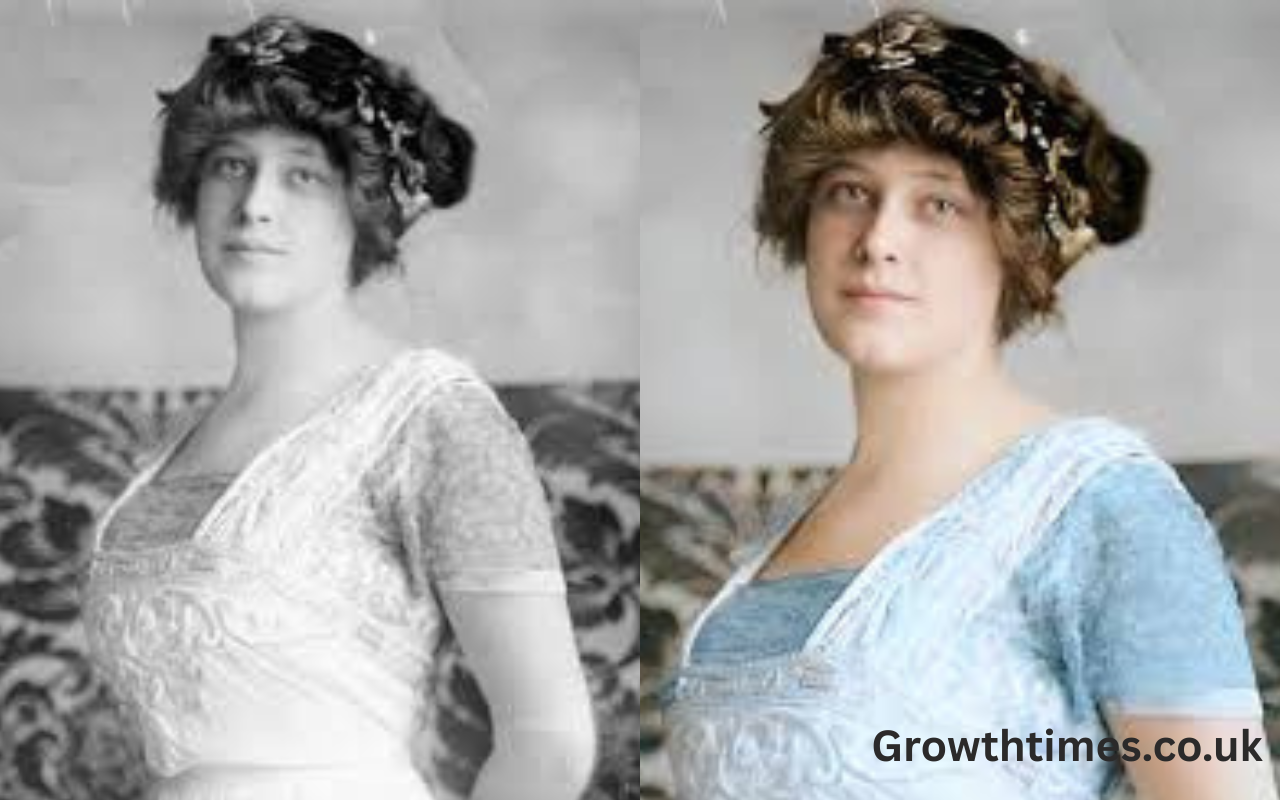
Madeleine Astor Biography: The Remarkable Life of the Titanic Survivor and American Socialite

When people think of the Titanic, images of luxury, tragedy, and unforgettable human stories immediately come to mind. Among the passengers whose lives became forever linked to the disaster, few remain as fascinating as Madeleine Astor. Young, beautiful, wealthy, and pregnant at the time of the sinking, she found herself at the center of one of history’s most famous maritime tragedies. Yet her life was about far more than a single night in the Atlantic Ocean. It was a story of privilege, heartbreak, resilience, motherhood, and survival.

More than a century after the Titanic sank, Madeleine Astor continues to attract the interest of historians, biographers, and Titanic enthusiasts around the world. Her marriage to millionaire John Jacob Astor IV generated enormous public attention, while her survival of the Titanic transformed her into an international figure. The combination of wealth, romance, tragedy, and social status made her one of the most talked-about women of the twentieth century.

What makes Madeleine’s story particularly compelling is the way she navigated immense personal loss at such a young age. Widowed at nineteen and left to raise a child born after his father’s death, she faced challenges that few could imagine. Her journey reflects both the glamour of America’s Gilded Age and the emotional realities hidden behind society’s glittering façade.

Quick Facts About Madeleine Astor

Fact Information
Full Name Madeleine Talmage Force Astor
Birth Date June 19, 1893
Birthplace New York City, United States
Nationality American
Profession Socialite and Public Figure
Father William Hurlbut Force
Mother Katherine Arvilla Talmage Force
Sister Katherine Emmons Force
Famous For Titanic Survivor
First Husband John Jacob Astor IV
Children John Jacob Astor VI, William Force Dick, John Henry Dick
Death Date March 27, 1940
Age at Death 46 Years
Net Worth Significant inheritance and trust income from Astor estate
Instagram Not Applicable
Twitter/X Not Applicable
LinkedIn Not Applicable

Early Life and Family Background

Madeleine Talmage Force was born on June 19, 1893, in New York City during a period when America was experiencing rapid economic growth and social transformation. She entered the world as a member of an affluent family that enjoyed considerable prestige within New York society. Her father, William Hurlbut Force, built a successful business career, while her mother came from a respected family with strong social connections. This privileged environment provided Madeleine with opportunities that were unavailable to most young women of her generation.

Growing up in one of America’s most influential cities exposed Madeleine to a world of wealth, culture, and social expectations. The Force family moved within elite circles where social appearances, etiquette, and reputation played crucial roles. From an early age, Madeleine learned how to conduct herself in high society, attending exclusive gatherings and becoming familiar with the customs that defined upper-class life in the early twentieth century.

Her older sister, Katherine Emmons Force, was also a prominent socialite and became well known in New York’s elite circles. Together, the sisters were often admired for their beauty, sophistication, and elegance. Newspapers and society columns frequently reported on their appearances and activities, helping establish them as recognizable figures among America’s wealthy families. These experiences would later prepare Madeleine for the intense public attention she would receive after marrying into the Astor family.

Education and Social Development

Like many young women from wealthy families, Madeleine received an education designed to prepare her for leadership within elite society. She attended respected institutions including Miss Ely’s School and Miss Spence’s School, both known for educating daughters of influential families. These schools focused not only on academics but also on developing social confidence, cultural awareness, and refined manners.

Her education extended beyond traditional classroom learning. During this era, upper-class young women were expected to possess knowledge of literature, music, art, languages, and social etiquette. Madeleine excelled in these areas and became known for her graceful personality and polished public image. Friends and acquaintances frequently described her as charming, intelligent, and remarkably composed for her age.

As she entered her teenage years, Madeleine became one of New York’s most admired debutantes. Her beauty attracted widespread attention, and she quickly gained recognition among society’s most eligible young women. This popularity helped establish her place within America’s social elite and eventually brought her into contact with one of the nation’s wealthiest men, John Jacob Astor IV, a meeting that would change the course of her life forever.

Romance and Marriage to John Jacob Astor IV

The relationship between Madeleine Force and John Jacob Astor IV became one of the most discussed romances of the era. Astor was not only among the richest men in America but also one of the most recognizable members of the legendary Astor family. A successful businessman, inventor, author, and real estate developer, he possessed immense wealth and influence. His relationship with the much younger Madeleine immediately attracted public interest.

One of the primary reasons for the controversy surrounding their relationship was their significant age difference. Madeleine was just eighteen years old, while Astor was forty-seven. The nearly thirty-year age gap generated criticism from sections of society and provided endless material for newspaper coverage. Nevertheless, the couple remained committed to one another despite the public scrutiny and social gossip that surrounded them.

Their marriage took place in 1911 and instantly became one of the year’s biggest social stories. Following the wedding, the newlyweds embarked on an extended honeymoon that included visits to Europe, Egypt, and other destinations. During their travels, Madeleine became pregnant with their first child together. Wanting the baby to be born in the United States, the couple eventually booked passage aboard a luxurious new ship making its maiden voyage across the Atlantic—the RMS Titanic. Little did they know that this decision would place them at the center of one of history’s greatest disasters.

Aboard the Titanic: The Journey That Changed Everything

In April 1912, Madeleine and John Jacob Astor boarded the RMS Titanic as first-class passengers in Cherbourg, France. The ship was widely regarded as the pinnacle of luxury and engineering achievement. Passengers enjoyed lavish accommodations, elegant dining rooms, and amenities unlike anything previously seen at sea. For the Astors, the voyage was simply meant to be a comfortable return home before the arrival of their child.

At the time of the voyage, Madeleine was approximately five months pregnant. Despite concerns about travel during pregnancy, the trip appeared safe because the Titanic was considered one of the most advanced ships ever built. Like many passengers, the Astors believed they were traveling aboard a vessel that represented the future of ocean transportation. Few could imagine the tragedy that would unfold only days later.

On the night of April 14, 1912, the Titanic struck an iceberg in the North Atlantic. Initially, many passengers did not understand the seriousness of the situation. John Jacob Astor reportedly reassured Madeleine that the damage did not seem severe. However, as the extent of the disaster became clear, the couple joined other passengers on deck and prepared for evacuation. What happened next would become one of the most emotional moments in Titanic history.

Titanic Disaster and Survival

The events of April 14–15, 1912, transformed Madeleine Astor from a young socialite into one of the most famous survivors in history. After the Titanic struck an iceberg late at night, confusion spread throughout the ship. At first, many passengers believed the damage was minor. The Titanic had been promoted as one of the safest and most advanced ships ever built, and few people imagined that the vessel would sink within hours. Madeleine, who was five months pregnant, remained with her husband as crew members began organizing the evacuation process.

As the situation became increasingly serious, John Jacob Astor focused entirely on ensuring his wife’s safety. Witness accounts indicate that he escorted Madeleine to Lifeboat No. 4 and helped her board. Because she was pregnant, Astor reportedly asked whether he could accompany her, but the officers enforced the “women and children first” policy. He accepted the decision calmly, kissed his wife goodbye, and promised that he would see her again. Tragically, that reunion would never happen.

Madeleine spent hours in the freezing darkness of the North Atlantic as the Titanic disappeared beneath the waves. Eventually, survivors were rescued by the RMS Carpathia, which arrived at the disaster scene and brought the passengers to safety. For Madeleine, survival came with immense emotional pain. She had escaped one of history’s deadliest maritime disasters, but she had lost the man who had promised to build a future with her.

Key Facts About Madeleine’s Titanic Experience

  1. She was approximately five months pregnant during the voyage.
  2. She survived in Lifeboat No. 4.
  3. John Jacob Astor IV died during the sinking.
  4. She was rescued by the RMS Carpathia.
  5. Her story became one of the most widely reported survivor accounts.

Life After the Titanic Tragedy

Returning to New York was emotionally overwhelming. The press followed Madeleine’s every movement as reporters desperately sought details about the disaster and the fate of her husband. Newspapers across America published stories about the young widow who had survived while carrying the unborn child of one of the world’s wealthiest men. Public sympathy for Madeleine was enormous, and many people viewed her as a symbol of both tragedy and courage.

In the months following the sinking, Madeleine largely withdrew from public life. Friends and family encouraged her to focus on her health and prepare for the birth of her child. Despite being surrounded by wealth and support, she faced an intensely difficult period. At only nineteen years old, she had lost her husband, survived a historic catastrophe, and suddenly found herself responsible for protecting her family’s future.

The world remained fascinated by her circumstances. Society columns regularly speculated about her future, her inheritance, and her role within the influential Astor family. Yet behind the headlines was a young woman trying to cope with grief while preparing for motherhood. This combination of personal loss and public attention became one of the defining challenges of her life.

Birth of John Jacob Astor VI

One of the most significant moments following the Titanic disaster occurred on August 14, 1912, when Madeleine gave birth to her son, John Jacob Astor VI. Since he was born four months after his father’s death, the child quickly became known as the “Titanic Baby.” His birth attracted enormous media attention and ensured that Madeleine’s connection to the Astor family would remain strong for years to come.

Raising her son became Madeleine’s primary focus. She devoted much of her energy to creating a stable and supportive environment despite the unusual circumstances surrounding his birth. Although the Astor name carried tremendous prestige, it also brought expectations and public scrutiny. Every milestone in the young boy’s life attracted attention from newspapers eager to report on the heir connected to the Titanic tragedy.

As John Jacob Astor VI grew older, he developed into a prominent social figure in his own right. He attended prestigious schools and later became involved in business and social circles associated with the Astor legacy. Through her son, Madeleine maintained a lasting connection to one of America’s most influential families.

Wealth, Inheritance, and Financial Security

Following her husband’s death, Madeleine inherited substantial financial resources. John Jacob Astor IV’s will provided her with an immediate cash settlement as well as income from a trust fund worth millions of dollars. These arrangements ensured that she would remain financially secure despite the devastating loss she had suffered.

However, the inheritance came with important conditions. Certain financial benefits would be reduced or lost if she remarried. Such arrangements were not unusual among wealthy families during that era, as inheritance structures were often designed to preserve family wealth across generations. As a result, any future decisions regarding marriage would have significant financial implications.

Although many modern readers associate Madeleine with extraordinary wealth, her financial situation was more complex than simple ownership of a fortune. Much of her security came through trusts, family arrangements, and inherited assets rather than independent business ventures. Nevertheless, she remained one of the most financially secure women of her generation and continued to enjoy a privileged lifestyle throughout much of her life.

Main Sources of Madeleine Astor’s Wealth

  • Astor estate inheritance
  • Trust fund income
  • Real estate privileges
  • Family investments
  • Social and family connections

Second Marriage and Family Expansion

After several years of widowhood, Madeleine chose to move forward with her personal life. In 1916, she married William Karl Dick, a banker and childhood acquaintance. The marriage surprised some observers who expected her to remain permanently identified as John Jacob Astor’s widow. Instead, Madeleine demonstrated her determination to build a new chapter for herself and her growing family.

The marriage brought stability and additional happiness into her life. Madeleine and William Dick had two sons together: William Force Dick and John Henry Dick. Motherhood remained central to her identity, and she devoted significant time to raising all three of her children. Family life offered a sense of normalcy that had often been missing since the Titanic disaster.

Despite these positive developments, the marriage eventually ended in divorce in 1933. Although divorce carried social stigma during that period, Madeleine chose to pursue a different path rather than remain in an unhappy relationship. Her willingness to make difficult personal decisions reflected a level of independence that was uncommon among women of her social class during the early twentieth century.

Third Marriage and Public Attention

Later in 1933, Madeleine married Italian actor and boxer Enzo Fiermonte. The marriage generated substantial media coverage because Fiermonte was a well-known public figure and the relationship represented another unexpected chapter in Madeleine’s life. Newspapers eagerly reported on the romance, ensuring that she remained a topic of public interest more than twenty years after surviving the Titanic.

The union attracted mixed reactions from friends, family members, and society observers. Some admired her willingness to pursue happiness, while others questioned the relationship. Even her son, John Jacob Astor VI, reportedly struggled with the situation initially. Such tensions highlighted the challenges that often accompany life within highly visible and influential families.

Ultimately, the marriage did not last. Madeleine and Enzo Fiermonte divorced in 1938. Although brief, the relationship demonstrated her continuing desire to shape her own future rather than live solely as a symbol of the Titanic tragedy. Throughout her life, she repeatedly sought personal fulfillment despite the constant attention of the public.

Legacy, Historical Importance, and Lasting Influence

Today, Madeleine Astor remains one of the most recognized women associated with the Titanic disaster. Historians continue to study her life because it offers valuable insight into the social structures of the Gilded Age, the experiences of Titanic survivors, and the challenges faced by women in elite society. Her story combines wealth, romance, tragedy, survival, and resilience in a way that few historical figures can match.

Books, documentaries, historical articles, and online communities continue to explore her life and legacy. She has appeared in numerous Titanic-related films and television productions, ensuring that new generations learn about her experiences. The enduring fascination with Madeleine reflects the timeless appeal of human stories that overcome adversity and loss.

More importantly, Madeleine’s life reminds us that historical figures are often far more complex than the events that made them famous. While many people remember her simply as a Titanic survivor, she was also a daughter, wife, mother, socialite, and woman navigating a rapidly changing world. Her ability to rebuild her life after unimaginable tragedy remains one of the most inspiring aspects of her story.

Final Years and Death

During her later years, Madeleine spent much of her time in Florida, away from some of the intense social attention that had followed her throughout adulthood. Although she remained a recognizable figure, she increasingly focused on family and personal matters rather than public appearances. By this stage of her life, she had experienced extraordinary highs and lows that few individuals could fully understand.

Unfortunately, her life would be relatively short. On March 27, 1940, Madeleine Astor died in Palm Beach, Florida, at the age of forty-six due to a heart-related illness. Her passing marked the end of a life deeply intertwined with one of the most famous events in modern history. She was later buried in New York, close to family members whose influence had shaped much of her journey.

Although more than a century has passed since the Titanic sailed, Madeleine Astor continues to be remembered. Her name remains an important part of Titanic history, American social history, and the broader story of resilience in the face of overwhelming adversity. Her experiences continue to inspire readers, researchers, and history enthusiasts around the world.

Conclusion

Madeleine Astor’s life was a remarkable blend of privilege, tragedy, courage, and reinvention. From her childhood among New York’s elite families to her survival aboard the Titanic and her efforts to rebuild after devastating loss, she demonstrated extraordinary resilience. Her journey reveals the human side of a disaster often remembered only through statistics and historical records.

While the Titanic remains the event most closely associated with her name, Madeleine’s true legacy extends far beyond a single night in 1912. She endured grief, raised a son who became part of American history, built new relationships, and continued moving forward despite intense public scrutiny. Her determination to create a meaningful life after tragedy remains one of the most compelling aspects of her story.

As Madeleine Astor’s legacy continues to inspire future generations, her journey stands as a powerful reminder that strength is often revealed in life’s most difficult moments. Through perseverance, dignity, and the courage to begin again, she created a legacy that remains unforgettable more than a century later.

Leave a Reply

Your email address will not be published. Required fields are marked *