Introduction
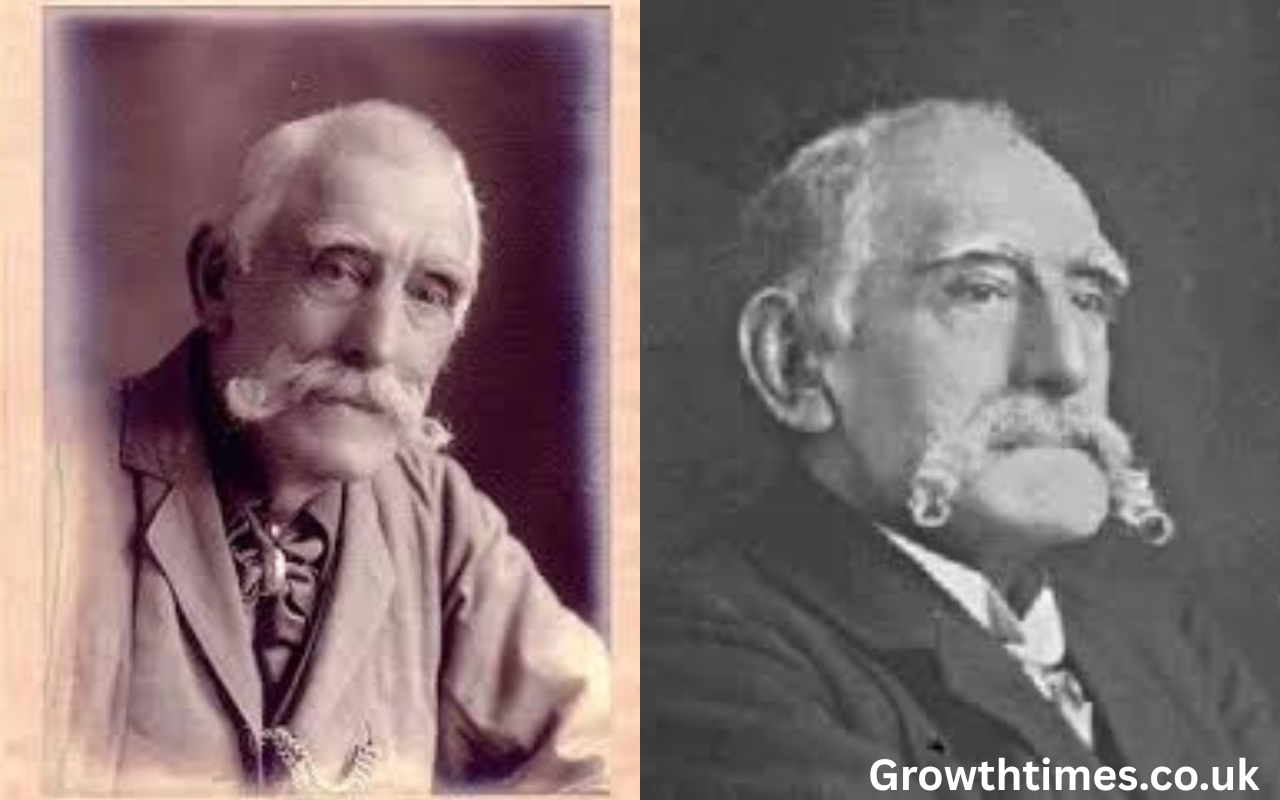
The story of Henry Wickham is one of adventure, ambition, controversy, and global influence. While many historical explorers are remembered for discovering new lands, Henry Wickham earned his place in history through a single act that transformed the world’s rubber industry forever. Known as a British explorer, agricultural entrepreneur, and plant collector, Wickham played a major role in transferring rubber seeds from the Amazon rainforest to the British Empire during the late nineteenth century. His actions helped establish the rubber plantations that would later dominate Southeast Asia and supply the growing demands of the industrial world.
Table of Contents
ToggleEven today, historians continue debating whether Wickham should be remembered as a visionary agricultural pioneer or as a controversial figure whose actions contributed to the decline of Brazil’s rubber monopoly. Regardless of where one stands in that debate, there is no denying that his decisions changed international trade, transportation, manufacturing, and agriculture on a global scale. His story is not only about rubber; it is also about exploration, economic transformation, colonial expansion, and the power of a single individual to influence history.
The life of Henry Wickham offers valuable insights into the Victorian age of exploration. His journey from London to the Amazon rainforest reflects a period when adventurous individuals sought opportunities in distant regions of the world. Through determination, risk-taking, and an eye for opportunity, Wickham became one of the most discussed figures in agricultural history, leaving behind a legacy that continues to spark discussion more than a century after his death.
Quick Facts About Henry Wickham
| Information | Details |
|---|---|
| Full Name | Henry Alexander Wickham |
| Known As | Sir Henry Wickham |
| Birth Date | 29 May 1846 |
| Birthplace | Hampstead, London, England |
| Nationality | British |
| Profession | Explorer, Botanist, Agricultural Entrepreneur |
| Famous For | Exporting rubber tree seeds from Brazil |
| Spouse | Violet Case Carter |
| Death Date | 27 September 1928 |
| Age at Death | 82 Years |
| Net Worth | Unknown (Historical Figure) |
| Father | Not Widely Documented |
| Mother | Not Widely Documented |
| Siblings | Limited Historical Records |
| Social Media | Not Applicable |
Early Life and Childhood
Henry Alexander Wickham was born on 29 May 1846 in Hampstead, London, during a period when Britain was rapidly expanding its influence across the globe. The Victorian era was known for exploration, scientific discovery, and industrial growth, and young Henry grew up surrounded by stories of distant lands and adventurous travelers. These stories helped shape his imagination from an early age and encouraged him to think beyond the boundaries of ordinary life.
His childhood was not especially privileged, and historical records suggest that he experienced challenges that forced him to become independent at a relatively young age. Rather than pursuing a traditional career path, Wickham became fascinated by travel, agriculture, and opportunities available in foreign lands. The adventurous spirit that would later define his life began to emerge during these formative years.
As a young man, Wickham showed curiosity about nature, plants, and tropical environments. Unlike many of his peers who preferred stability, he was attracted to uncertainty and exploration. This willingness to leave familiar surroundings and seek opportunities elsewhere became one of the defining characteristics of his personality and eventually led him toward South America and the Amazon rainforest.
Education and Personal Development
Unlike many famous historical figures, there is little detailed information about Henry Wickham’s formal education. However, his life demonstrates that he gained extensive knowledge through practical experience rather than academic study. During the nineteenth century, many explorers learned directly from the environments they encountered, and Wickham was no exception.
His travels exposed him to diverse cultures, ecosystems, and agricultural practices. Through observation and experimentation, he developed a strong understanding of tropical agriculture and plantation management. These skills would later prove essential as he became involved in various agricultural ventures throughout his career.
The education Wickham received from real-world experience arguably shaped him more effectively than any classroom could have. Living in remote environments taught him adaptability, resilience, and problem-solving skills. These qualities allowed him to succeed in difficult circumstances where others might have failed. His ability to recognize economic opportunities within agriculture would eventually place him at the center of one of history’s most important botanical transfers.
Journey to South America
Henry Wickham’s life changed dramatically when he decided to travel to South America. During the nineteenth century, the Amazon region attracted adventurers, entrepreneurs, and explorers seeking wealth and opportunity. The area was rich in natural resources, and rubber had become one of the most valuable commodities in the world.
Upon arriving in Brazil, Wickham became increasingly interested in the rubber trade. The Amazon rainforest was home to vast numbers of Hevea brasiliensis trees, commonly known as rubber trees. At the time, Brazil controlled much of the world’s natural rubber supply, making the industry incredibly profitable and strategically important.
Living in the Amazon was far from easy. The climate was harsh, transportation was difficult, and disease posed constant risks. Yet Wickham adapted to these challenges and immersed himself in the environment. His experiences in the rainforest strengthened his understanding of tropical agriculture and introduced him to the opportunities that would eventually define his historical legacy.
Key Lessons From His Amazon Years
- Learned plantation management.
- Developed expertise in tropical agriculture.
- Built connections within the rubber industry.
- Gained firsthand knowledge of rubber cultivation.
The Historic Rubber Seed Collection
The event that made Henry Wickham famous occurred in 1876 when he collected approximately 70,000 rubber tree seeds from the Amazon region. At the time, the British government and scientific institutions were interested in finding ways to cultivate rubber outside South America. Demand for rubber was growing rapidly due to industrial expansion, making alternative production sources increasingly important.
Wickham organized the collection and shipment of these seeds to the Royal Botanic Gardens at Kew in England. Although many seeds failed to survive the journey, enough successfully germinated to allow the development of future plantations. These seedlings were later distributed to British colonies, including Ceylon and Malaya.
This seemingly simple act had enormous consequences. The seeds became the foundation of the modern rubber industry in Southeast Asia. Within a few decades, regions that had never previously dominated rubber production became the world’s leading suppliers. As a result, global trade patterns shifted dramatically, and Brazil gradually lost its position as the dominant producer.
Building the Global Rubber Empire
The successful cultivation of rubber trees in British territories transformed international commerce. Plantation agriculture expanded rapidly throughout Southeast Asia, particularly in modern-day Malaysia and Sri Lanka. These plantations proved more efficient and productive than many operations in the Amazon rainforest.
As industrialization accelerated around the world, demand for rubber continued to grow. The invention and expansion of the automobile industry created an enormous market for tires and rubber-based products. Factories, transportation systems, and manufacturing businesses all depended on reliable rubber supplies.
The seeds associated with Wickham’s expedition played a crucial role in meeting this demand. Millions of rubber trees grown throughout Southeast Asia can trace their origins to the seedlings developed from his collection. Few individuals have influenced a global industry so profoundly through a single action.
Global Effects of Wickham’s Actions
- Expansion of rubber plantations in Asia.
- Growth of the automobile industry.
- Reduction of Brazil’s rubber monopoly.
- Development of global rubber supply chains.
- Increased agricultural investment across colonies.
Challenges, Criticism, and Controversy
Although Henry Wickham received recognition from Britain, his legacy remains controversial. In Brazil, many historians view him as a symbol of economic loss and botanical exploitation. Critics argue that transferring rubber seeds contributed directly to the decline of Brazil’s rubber economy.
The controversy stems from questions about whether the seeds were legally exported and whether Brazil fully understood the long-term consequences of their removal. Some scholars describe Wickham’s actions as one of history’s earliest examples of biopiracy, a term used when biological resources are taken from one region and used elsewhere without fair compensation.
Supporters, however, argue that Wickham was operating within the norms of his era and that global agricultural exchange was common during the nineteenth century. They view him as an innovator who helped spread valuable agricultural resources worldwide. This debate continues to make his story relevant in discussions about ethics, biodiversity, and intellectual property.
Personal Life and Family
Despite his historical significance, relatively little is known about Henry Wickham’s private life compared with modern public figures. Historical records show that he married Violet Case Carter and spent much of his life pursuing agricultural projects and exploratory ventures.
Those who studied his life often describe him as energetic, determined, and highly ambitious. He was constantly searching for new opportunities and rarely remained satisfied with routine activities. His willingness to take risks distinguished him from many of his contemporaries and helped shape his adventurous reputation.
Outside his professional activities, Wickham maintained a strong interest in nature and agricultural development. His fascination with plants, cultivation techniques, and economic opportunities remained consistent throughout his life. These interests not only shaped his career but also contributed significantly to his lasting historical legacy.
Achievements and Recognition
Henry Wickham’s contributions eventually earned him recognition from the British government. His role in helping establish the rubber industry outside South America was widely celebrated within the British Empire. In recognition of his achievements, he was awarded a knighthood and became known as Sir Henry Wickham.
His accomplishments extended beyond the rubber seed expedition. Throughout his life, he participated in various agricultural projects and explored opportunities in plantation management. While not every venture succeeded, his influence on agricultural history remained substantial.
Today, historians, economists, and environmental scholars continue studying his life because of the long-term impact of his actions. Few explorers can claim to have influenced global trade, industrial development, and agricultural production as profoundly as Wickham did.
Major Achievements
- Collected and exported rubber seeds from Brazil.
- Helped establish Southeast Asian rubber plantations.
- Received a British knighthood.
- Influenced global industrial development.
- Left a lasting mark on agricultural history.
Net Worth and Financial Legacy
Estimating Henry Wickham’s net worth is difficult because detailed financial records from his era are limited. Unlike modern celebrities and entrepreneurs, historical explorers rarely had publicly documented wealth figures. As a result, no reliable estimate exists regarding his personal fortune.
His income likely came from agricultural ventures, plantation management, land investments, consulting activities, and recognition related to his expertise in tropical cultivation. Some of his projects generated profits, while others produced mixed results. Like many explorers of his time, financial success was often unpredictable.
When evaluating Wickham’s financial legacy, historians focus less on his personal wealth and more on the economic impact of his actions. The global rubber industry that emerged from the seeds he transported eventually became worth billions of dollars, influencing economies across multiple continents.
Legacy and Historical Importance
More than a century after his death, Henry Wickham remains one of the most influential and debated figures in agricultural history. His actions changed the geography of rubber production and helped create supply chains that supported industrial growth around the world.
His story continues to be examined in discussions about colonialism, environmental ethics, biodiversity, agricultural innovation, and economic development. Depending on one’s perspective, he can be viewed as either a pioneering entrepreneur or a controversial figure whose actions altered economic power structures.
What makes Wickham particularly fascinating is that his influence extended far beyond his own lifetime. The consequences of his decisions continue to shape industries, economies, and historical debates today. His life demonstrates how a single opportunity, when recognized and pursued, can have global consequences that last for generations.
Conclusion
Henry Wickham’s journey from a curious young adventurer in London to one of the most influential figures in agricultural history is both remarkable and thought-provoking. Through determination, exploration, and a willingness to embrace risk, he became a central figure in the transformation of the global rubber industry. His actions reshaped international trade, supported industrial expansion, and influenced economic development across continents.
At the same time, his story reminds us that major achievements often come with complex ethical questions. The debates surrounding his legacy highlight the importance of considering both innovation and responsibility when evaluating historical figures. This balance is one reason why Wickham remains such an important subject of study today.
As Henry Wickham paved the way for future generations, his story stands as a reminder of how resilience, vision, and purpose can shape a meaningful legacy. Whether viewed as an explorer, entrepreneur, or controversial historical figure, his impact on the world remains undeniable, inspiring readers to reflect on the lasting influence that one determined individual can have on history.
