Introduction
When people hear the name Mary Archer, they often think of her connection to famous novelist and politician Jeffrey Archer. However, reducing her story to that relationship would overlook a lifetime of extraordinary achievements in science, education, healthcare, and public service. Dame Mary Archer has spent decades building a reputation as one of Britain’s most respected scientific minds, particularly in the field of solar energy and sustainable technology. Her journey reflects the power of intellect, determination, and an unwavering commitment to making a positive difference in society.
Table of Contents
ToggleThroughout her career, Mary Archer has worn many hats. She has been a chemist, researcher, university lecturer, healthcare leader, museum chair, author, and chancellor. Each role has added another layer to her impressive legacy. While many public figures achieve success in one field, Archer has managed to leave her mark across several sectors, earning admiration from colleagues, students, and policymakers alike.
Her story is not simply about professional success. It is also about resilience, adaptability, and the ability to thrive through personal and public challenges. From academic laboratories to national institutions, Mary Archer has consistently demonstrated leadership and vision, making her one of the most influential British women of her generation.
Quick Facts About Mary Archer
| Fact | Details |
|---|---|
| Full Name | Mary Doreen Archer (née Weeden) |
| Popular Name | Dame Mary Archer |
| Date of Birth | 22 December 1944 |
| Age | 81 Years (2026) |
| Birthplace | Epsom, Surrey, England |
| Nationality | British |
| Profession | Scientist, Academic Leader, Author, Public Servant |
| Field | Solar Energy Conversion, Chemistry |
| Education | St Anne’s College Oxford, Imperial College London |
| Father | Harold Norman Weeden |
| Mother | Doreen Weeden |
| Siblings | One Elder Sister |
| Marital Status | Married |
| Husband | Jeffrey Archer |
| Children | William Archer, James Archer |
| Current Position | Chancellor, University of Buckingham |
| Major Honor | Dame Commander of the Order of the British Empire (DBE) |
| Estimated Net Worth | $5–15 Million (Estimated) |
| No Official Verified Account | |
| X (Twitter) | No Official Verified Account |
| No Widely Known Public Profile |
Early Life and Family Background
Mary Doreen Weeden was born on December 22, 1944, in Epsom, Surrey, England. She grew up in a family that placed tremendous value on education and intellectual development. Her father, Harold Norman Weeden, was an accountant, while her mother, Doreen Weeden, played an important role in creating a supportive home environment. These early influences encouraged Mary to pursue knowledge and think independently from a young age.
As a child, Mary displayed an impressive curiosity about the world around her. Unlike many young girls of her era who were often guided toward traditional career paths, she developed a strong interest in science and problem-solving. Her willingness to ask questions and seek answers became a defining characteristic that would shape her future career. Growing up during post-war Britain also exposed her to a society that was rapidly changing, creating new opportunities for ambitious women.
The values instilled during her childhood remained central throughout her life. Hard work, discipline, education, and perseverance became guiding principles that helped her navigate both professional challenges and personal responsibilities. These foundations prepared her for a future that would take her far beyond the expectations many had for women in the mid-twentieth century.
Education and Academic Journey
Mary Archer’s educational achievements began at Cheltenham Ladies’ College, one of the United Kingdom’s most prestigious schools for girls. The institution provided a strong academic environment where she excelled in science and mathematics. During these years, her fascination with chemistry deepened, setting the stage for future academic success.
After completing her school education, she attended St Anne’s College, Oxford, where she studied chemistry. Oxford exposed her to leading scholars and advanced scientific research, allowing her to develop a deeper understanding of the subject. It was also during her university years that she met Jeffrey Archer, who would later become her husband. Despite balancing personal relationships and academic demands, she remained focused on her studies and continued to excel.
Determined to further her expertise, Archer pursued doctoral studies at Imperial College London. Her PhD research focused on physical chemistry and heterogeneous catalysis, an area requiring advanced analytical skills and scientific precision. Completing a doctorate during a period when women were underrepresented in scientific research was a significant accomplishment and reflected her dedication to academic excellence.
Building a Career in Scientific Research
After earning her doctorate, Mary Archer began building a career that would establish her as a respected figure within the scientific community. She held research and teaching positions at institutions including St Hilda’s College, Oxford, Somerville College, and later Cambridge University. These appointments allowed her to combine research with education, helping shape the next generation of scientists.
One of the most important developments in her scientific career came when she became involved in photoelectrochemistry and solar energy conversion. At a time when renewable energy research was still developing, Archer recognized its enormous future potential. Her work focused on understanding how sunlight could be converted more efficiently into usable energy, contributing valuable knowledge to an increasingly important scientific field.
Her research and publications gained recognition among scientists and energy experts. Over the years, she wrote and contributed to numerous books and academic works related to solar technology, photovoltaics, and sustainable energy systems. Her contributions helped advance understanding of clean energy solutions and reinforced her reputation as an authority in renewable energy research.
Key Scientific Contributions
- Solar energy conversion research
- Photoelectrochemistry studies
- Renewable energy advocacy
- Academic publications on photovoltaics
- Leadership within solar energy organizations
Career Growth and Leadership Roles
As Mary Archer’s reputation grew, her career expanded beyond laboratory research and university teaching. She became increasingly involved in leadership positions where she could influence policy, education, and scientific development on a larger scale. These roles demonstrated her ability to apply scientific thinking to organizational management and public service.
Between 1988 and 2000, she chaired the National Energy Foundation, an organization dedicated to improving energy efficiency and promoting sustainable energy use. Her leadership helped strengthen awareness of environmental issues long before sustainability became a mainstream topic. Through this work, she played an important role in encouraging practical solutions to energy challenges.
She also served as President of the UK Solar Energy Society and became associated with several major scientific and educational organizations. These positions enabled her to advocate for innovation, scientific literacy, and environmentally responsible technologies. Her influence extended well beyond academia into national conversations about energy and sustainability.
Contributions to Healthcare and the NHS
One of the most impressive chapters of Mary Archer’s career involves her contributions to healthcare. While many scientists remain focused solely on research, Archer expanded her impact by helping improve public health systems. Her analytical mindset and leadership skills proved valuable in managing complex healthcare organizations.
She served as Chair of Cambridge University Hospitals NHS Foundation Trust for ten years. During her tenure, she oversaw one of Britain’s leading healthcare institutions, which includes Addenbrooke’s Hospital and the Rosie Hospital. Her leadership contributed to improvements in patient care, research partnerships, and hospital development projects.
Archer also played a role in creating patient decision aids and information systems for individuals dealing with serious health conditions, including prostate and bladder cancer. These initiatives helped patients better understand treatment options and participate more actively in healthcare decisions. Her efforts reflected a strong belief that medical knowledge should be accessible and empowering.
Healthcare Achievements
- Chair of Cambridge University Hospitals NHS Foundation Trust.
- Founder director of Cambridge University Health Partners.
- Development of patient decision-support systems.
- Long-term advocacy for patient-centered healthcare.
Marriage, Family, and Personal Resilience
Mary Archer married Jeffrey Archer in 1966 after the couple met while studying at Oxford. Over the decades, their marriage has attracted significant public attention due to Jeffrey Archer’s political career, literary success, and various controversies. Despite the challenges that accompanied life in the public eye, Mary maintained her own professional identity and accomplishments.
The family experienced difficult periods, including financial struggles during the 1970s. During those challenging years, Mary continued working and helping support the household while raising their children. Her determination and practical approach played an important role in helping the family recover and move forward.
Together, Mary and Jeffrey Archer have two sons, William and James. Throughout interviews and public appearances, Mary has often emphasized the importance of loyalty, resilience, and family commitment. Her ability to balance professional ambitions with personal responsibilities has earned widespread admiration.
Awards, Honors, and National Recognition
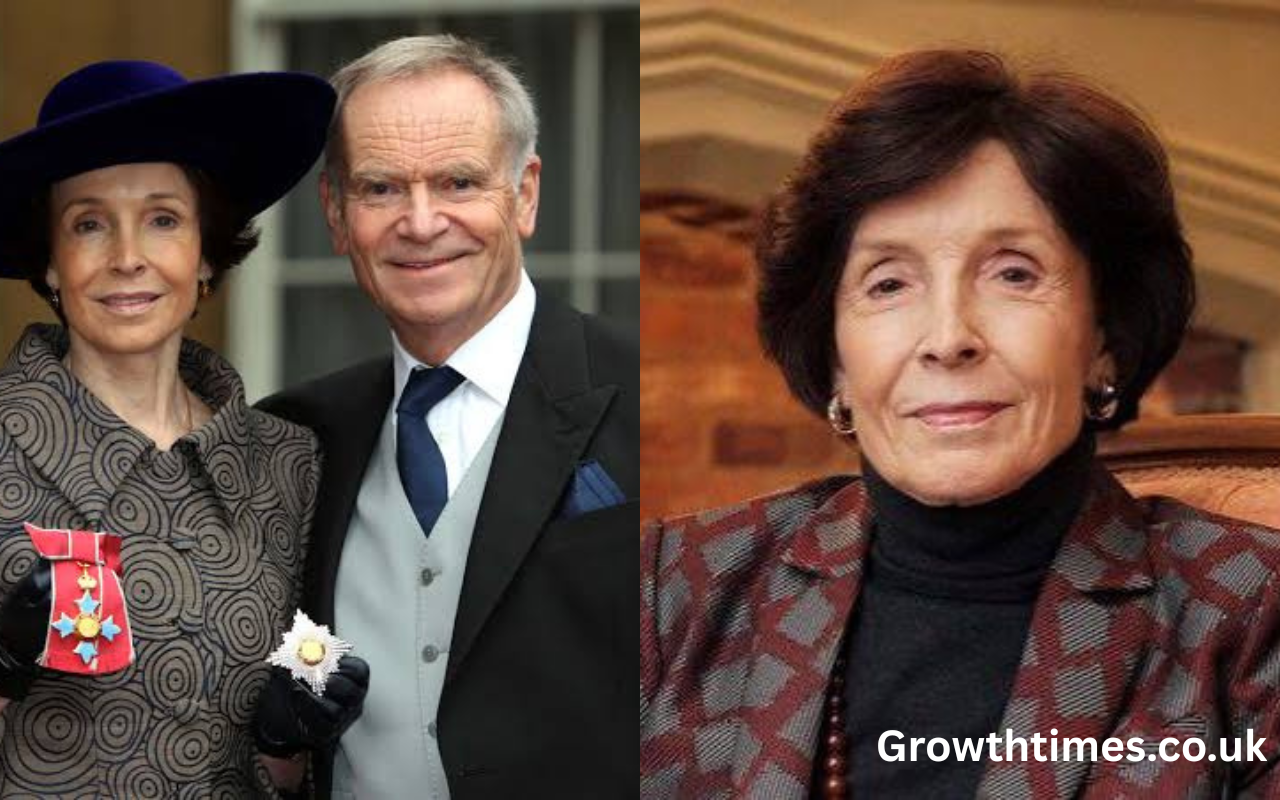
Recognition for Mary Archer’s contributions has come from many different sectors. Perhaps her most significant honor was being appointed Dame Commander of the Order of the British Empire (DBE) in 2012 for services to the National Health Service. This prestigious award acknowledged decades of dedication to public service and healthcare leadership.
In addition to her DBE, Archer has received numerous awards related to energy, science, and education. These include the Melchett Medal for contributions to energy research and the Eva Philbin Award for her work in healthcare and science. Such honors reflect the breadth of her achievements across multiple disciplines.
Her influence has also been recognized through lasting tributes. In Cambridge, a road named Dame Mary Archer Way was created in recognition of her service and leadership. Few scientists receive such visible public acknowledgment, highlighting the significance of her contributions.
Science Museum Group and Educational Leadership
Mary Archer’s passion for education eventually led to major leadership positions within Britain’s cultural and educational institutions. One of her most notable appointments was becoming Chair of the Science Museum Group, one of the world’s most respected science museum organizations. Through this role, she helped promote public engagement with science, technology, engineering, and innovation.
Her leadership at the Science Museum Group focused on making scientific knowledge more accessible to people of all ages. She strongly believes that museums can inspire curiosity, creativity, and future scientific careers. Her efforts helped strengthen the connection between scientific discovery and public understanding.
In 2020, she became Chancellor of the University of Buckingham. This appointment further cemented her status as a leading figure in British higher education. As Chancellor, she continues supporting students, faculty, and research initiatives while promoting academic excellence and innovation.
Net Worth and Sources of Income
Mary Archer’s exact financial position has never been publicly disclosed. However, estimates from various public analyses suggest her wealth may range between $5 million and $15 million. These estimates should be viewed cautiously, as no official figures have been released. Her financial success reflects decades of professional achievement rather than celebrity branding.
Her income sources have likely included:
- University and academic appointments
- Scientific consulting and advisory roles
- Leadership positions within public institutions
- Board memberships and trusteeships
- Publications and professional contributions
- Family assets and investments
Unlike many public figures, Archer has focused primarily on service, education, and research rather than commercial ventures. This distinction makes her career particularly respected within academic and scientific circles.
Social Media Presence and Public Image
In an age dominated by social media influencers and online personalities, Mary Archer maintains a relatively traditional public profile. She does not actively seek attention through platforms such as Instagram, X, or TikTok. Instead, her reputation has been built through decades of substantive work and meaningful contributions.
Her public communication generally occurs through academic events, interviews, university engagements, scientific conferences, and charitable activities. This approach reflects her preference for thoughtful discussion rather than constant digital visibility.
Despite her limited social media presence, her influence remains substantial. Universities, healthcare organizations, museums, and scientific institutions continue to value her insights and leadership. Her example demonstrates that lasting impact often comes from consistent work rather than online popularity.
Recent Activities and Future Vision
Even in recent years, Mary Archer has remained highly active in public life. She continues to support education, healthcare, renewable energy, and scientific research through leadership positions and advisory roles. Her experience remains highly relevant as societies worldwide focus increasingly on sustainability and innovation.
Her continued involvement with the University of Buckingham, scientific organizations, and healthcare initiatives shows that she has no intention of slowing down. Archer remains committed to encouraging scientific literacy and supporting institutions that improve lives through knowledge and research.
Looking ahead, her legacy is likely to grow through the countless individuals and organizations she has influenced. Students, researchers, healthcare professionals, and public leaders continue to benefit from the standards she has established throughout her career.
Conclusion
Mary Archer’s life is a powerful example of what can be achieved through intelligence, perseverance, and a commitment to serving others. From her early fascination with chemistry to becoming a leading scientist, healthcare advocate, educational leader, and Dame of the British Empire, she has consistently demonstrated excellence across multiple fields. Her contributions to solar energy research, scientific education, public healthcare, and national institutions have left a lasting mark on British society.
What makes her story particularly inspiring is her ability to overcome challenges while remaining focused on meaningful goals. She has balanced family responsibilities, academic ambitions, and public service with remarkable grace and determination. Her journey proves that leadership is not measured solely by titles or recognition but by the positive impact one creates for others.
As Mary Archer continues to inspire scientists, students, educators, and future leaders, her story stands as a reminder that curiosity, resilience, and purpose can shape a truly meaningful legacy. By pursuing excellence and using knowledge to serve society, she has created an example that future generations can admire and follow for years to come.
