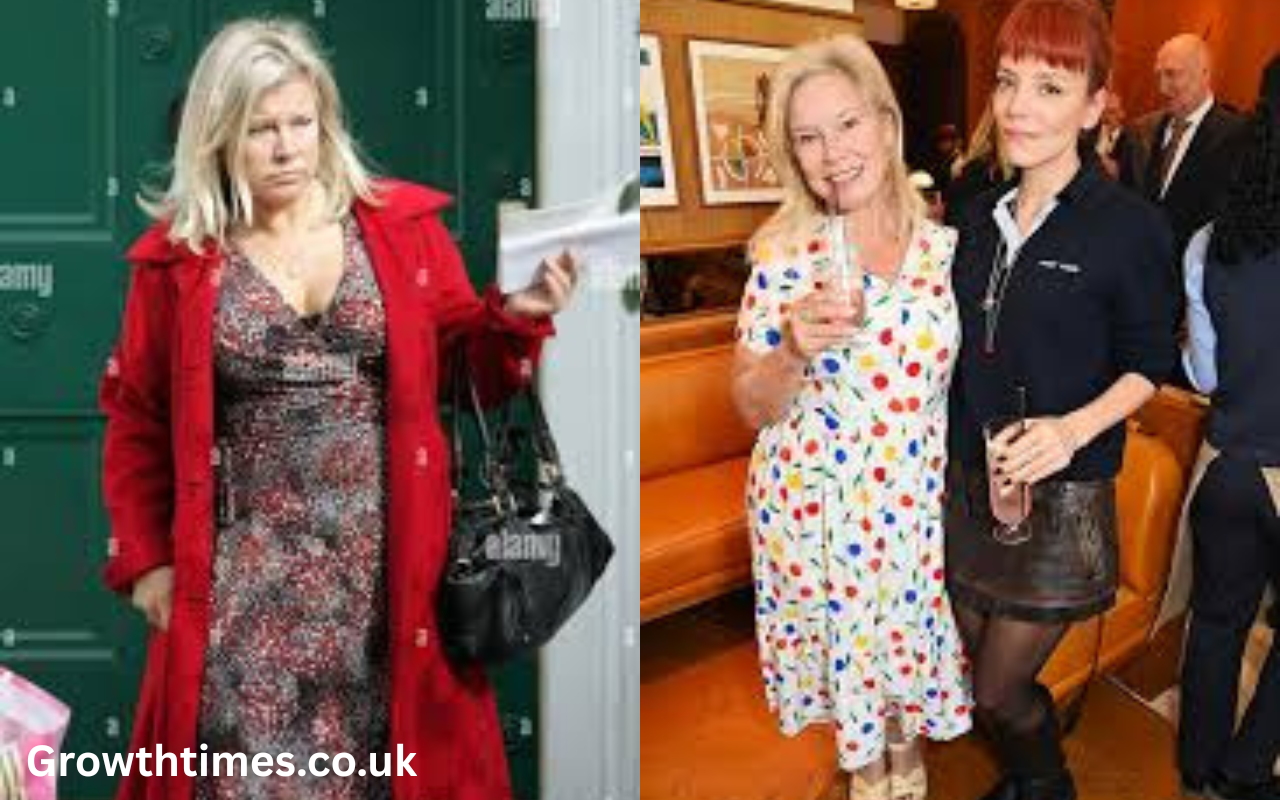
When people search for “Lily Allen mum,” they are usually curious about the woman behind one of Britain’s most outspoken and talented singers. But Alison Owen is far more than simply the mother of Lily Allen. She is an award-winning British film producer whose career spans decades of critically acclaimed cinema, powerful storytelling, and groundbreaking work in the entertainment industry. While her daughter became famous for chart-topping songs and fearless public honesty, Alison quietly built one of the most respected careers in British filmmaking.
What makes Alison Owen’s life fascinating is the contrast between public fame and private resilience. She came from a modest working-class background in Portsmouth and fought her way into an industry that was heavily dominated by men. Over time, she produced some of the most memorable British films of the last three decades, including Elizabeth, Saving Mr. Banks, Shaun of the Dead, and Suffragette. Her story is one of ambition, motherhood, survival, creativity, and determination.
Even though Alison rarely seeks the spotlight herself, her influence can be seen everywhere — in British cinema, in the careers she helped shape, and in the creative confidence of her children. Behind the glamorous film premieres and celebrity headlines is a woman who worked tirelessly to build a meaningful legacy through storytelling and artistic vision. Her journey remains inspiring for aspiring filmmakers, working mothers, and anyone chasing success against difficult odds.
Quick Facts About Alison Owen
| Full Name | Alison Mary Owen |
|---|---|
| Popular Name | Lily Allen’s Mum |
| Date of Birth | February 18, 1961 |
| Age | 65 years old (2026) |
| Birthplace | Portsmouth, Hampshire, England |
| Nationality | British |
| Profession | Film Producer |
| Famous For | Producing award-winning British films |
| Children | Lily Allen, Alfie Allen, Sarah Owen |
| Former Partner | Keith Allen |
| Education | University College London |
| Production Company | Ruby Films |
| Estimated Net Worth | $10–15 Million |
| Famous Movies | Elizabeth, Saving Mr. Banks, Shaun of the Dead |
| Not publicly active | |
| Twitter/X | Private or inactive |
| Known For | British cinema and female-led storytelling |
Early Life and Childhood of Alison Owen
Alison Owen was born in Portsmouth, Hampshire, into a traditional working-class family. Her upbringing was far removed from the glamorous entertainment industry she would later enter. Her father worked as a chief petty officer in the Royal Navy, while her mother worked in a naval dockyard before later becoming a teacher. Life in Portsmouth during the 1960s and 1970s taught Alison the value of discipline, resilience, and hard work from a young age.
Growing up, Alison experienced a Britain that was socially changing but still limited in opportunities for women, especially those from modest backgrounds. Financial struggles were common, and she understood early that success would only come through determination and education. She has openly spoken about working small jobs as a teenager, including washing dishes at a local hotel for very little pay. These experiences shaped her strong personality and gave her a grounded perspective on life.
Despite those challenges, Alison developed a deep interest in storytelling, books, and creativity. She was intelligent, ambitious, and eager to build a life beyond the limitations of her environment. That drive eventually pushed her toward higher education and opened the door to the creative world she would later dominate through film production.
Education and Struggles During Young Motherhood
Alison Owen attended University College London, where she studied English and explored her growing passion for storytelling and media. However, university life became much more complicated when she became pregnant at a very young age. While many people in similar situations might have abandoned their education, Alison refused to give up on her future.
During her first term at university, Alison gave birth to her daughter Sarah. The situation was emotionally and financially difficult, and at one stage she even considered adoption because she feared she would not be able to cope. Eventually, she decided to keep her child and continue her studies. A supportive tutor at UCL helped her organize housing, childcare, and educational support, which became a turning point in her life.
Balancing motherhood and education was exhausting, but Alison successfully completed her degree while raising a baby. This period of her life revealed the determination and resilience that would later define her professional success. Her experiences also strengthened her belief in women having opportunities, choices, and independence — themes that later appeared in many of the films she produced.
Entering the Entertainment Industry
After graduating, Alison Owen entered the entertainment world during a period of major change in British media. The rise of MTV, music television, and independent production companies created opportunities for ambitious young creatives willing to take risks. Alison initially worked producing music videos, where she learned the practical realities of filmmaking, production schedules, budgets, and creative collaboration.
The music video industry became an important training ground for her career. It allowed her to develop strong industry connections and understand how visual storytelling could emotionally connect with audiences. Alison proved herself to be highly organized, creatively intelligent, and capable of managing difficult projects under pressure.
Eventually, she moved into television and film production, slowly building her reputation within the British entertainment industry. Unlike many people who entered the industry through privilege or family connections, Alison largely created her own path through persistence and talent. Those early years were filled with uncertainty, but they also gave her the experience needed to become one of Britain’s most respected producers.
Relationship With Keith Allen and Family Life
One of the most publicly discussed parts of Alison Owen’s personal life was her relationship with actor and comedian Keith Allen. The couple became well known in British entertainment circles during the 1980s and had two children together: singer Lily Allen and actor Alfie Allen.
Their relationship, however, was complicated and sometimes chaotic. Keith Allen developed a reputation for his rebellious lifestyle, heavy partying, and controversial public image. Lily Allen later described parts of her childhood as unstable and emotionally difficult after her father left the family when she was very young. Alison suddenly found herself balancing single motherhood with the pressures of building a demanding career in film production.
Despite these struggles, Alison worked hard to create a creative and intellectually stimulating environment for her children. Lily and Alfie grew up surrounded by artists, musicians, filmmakers, actors, and writers. That environment strongly influenced their personalities and future careers. Although family life was not always perfect, Alison’s determination helped her children develop confidence, creativity, and independence.
Rise as a Film Producer
Alison Owen’s rise in the film industry was gradual but impressive. Her early projects gained attention because of their emotional depth and strong storytelling. One of her important early successes was Hear My Song in 1991, which helped establish her credibility as a serious producer in British cinema. From there, her career continued to grow steadily.
A major turning point came when she founded her production company, Ruby Films. The company focused on intelligent and emotionally engaging stories rather than purely commercial entertainment. Alison became known for supporting unique filmmakers and meaningful projects that explored history, identity, women’s experiences, and human relationships.
Her breakthrough moment arrived with the historical drama Elizabeth starring Cate Blanchett. The film became a critical and international success, earning Academy Award recognition and winning major BAFTA awards. Alison Owen’s reputation immediately rose to a new level, and she became recognized as one of Britain’s top film producers.
Famous Films and Career Achievements
Throughout her long career, Alison Owen produced a remarkable range of successful films across different genres. She became especially respected for supporting projects with strong storytelling, historical depth, and emotionally complex characters. Many of her productions also highlighted powerful female perspectives and social themes.
Some of her most notable productions include:
- Elizabeth (1998)
- Shaun of the Dead (2004)
- Proof (2005)
- The Other Boleyn Girl (2008)
- Saving Mr. Banks (2013)
- Suffragette (2015)
- Back to Black (2024)
Her film Elizabeth became especially important because it helped launch Cate Blanchett into international stardom while proving that ambitious British historical dramas could succeed globally. Alison also demonstrated impressive versatility by producing films like Shaun of the Dead, which became a cult comedy classic loved by audiences worldwide.
Over time, Alison earned respect not only for commercial success but also for her artistic judgment. Directors, writers, and actors appreciated her ability to support creative visions while still managing the financial and practical realities of filmmaking.
Alison Owen as Lily Allen’s Mother
Although Alison Owen had already established a successful film career, public interest in her increased dramatically once Lily Allen became famous in the mid-2000s. Lily’s sharp lyrics, rebellious image, and brutally honest interviews often attracted media attention, which also brought scrutiny to her family background.
Alison has openly admitted that she worried deeply about Lily during the early years of fame. She feared that intense tabloid pressure, addiction culture, and public criticism could emotionally destroy her daughter, similar to what happened to singer Amy Winehouse. In interviews, Alison explained how painful it was to watch young female celebrities face constant harassment from paparazzi and the media.
Despite occasional tensions and difficult periods, Alison and Lily appear to have maintained a meaningful relationship built on honesty and understanding. Lily has publicly criticized aspects of her childhood in interviews and memoirs, but Alison has acknowledged those feelings with maturity rather than defensiveness. Their relationship reflects the complicated reality of family life rather than a perfect celebrity image.
Personal Life, Personality, and Beliefs
People who know Alison Owen often describe her as intelligent, determined, calm, and highly creative. Unlike many entertainment figures, she rarely seeks personal publicity or social media attention. Instead, she focuses primarily on storytelling and supporting meaningful creative projects behind the scenes.
Her working-class background continues to influence her worldview. Alison has spoken openly about inequality, women’s rights, and the importance of opportunities for people from ordinary backgrounds. Films like Suffragette reflected her interest in feminism, social justice, and historical struggles faced by women.
Alison also appears deeply protective of her family, especially after witnessing the pressures of celebrity culture on her children. While she remains connected to the entertainment world, she avoids the extreme public exposure that often surrounds modern celebrities. That balance between creativity and privacy has become one of the defining features of her personality.
Net Worth and Financial Success
As of 2026, Alison Owen’s estimated net worth is believed to range between $10 million and $15 million. Most of her wealth comes from her decades-long career in film production, executive producer credits, licensing deals, and successful international movie releases.
Her production company, Ruby Films, became an important source of long-term financial stability. Successful projects such as Elizabeth, Saving Mr. Banks, and The Other Boleyn Girl generated strong global box office returns while also increasing her industry value and professional reputation.
Unlike many entertainment personalities, Alison has never been known for extravagant public spending or luxury-focused branding. Her success appears built more on consistent professional achievements than celebrity culture. She represents a quieter form of wealth — one connected to creativity, intelligence, and long-term career building.
Recent Projects and Current Life
Even after decades in filmmaking, Alison Owen continues working on important projects. One of her most recent productions was Back to Black, the film about the life of singer Amy Winehouse. The project carried emotional significance because Alison personally understood the dangers of fame through her experiences with Lily Allen’s career.
In interviews promoting the film, Alison discussed the harsh treatment young female stars often receive from tabloids and public culture. She emphasized the importance of remembering artists as human beings rather than simply reducing them to scandals or tragedies. These reflections showed how deeply personal experiences shaped her perspective as a producer.
Today, Alison remains respected throughout British cinema as a producer who values substance, intelligence, and emotional storytelling. She continues supporting meaningful creative work while maintaining a relatively private personal life away from constant media attention.
The Legacy of Alison Owen
Alison Owen’s legacy goes far beyond being known as “Lily Allen’s mum.” She represents a generation of women who entered difficult industries and proved themselves through talent, resilience, and determination. Her success in film production opened doors for more female producers and demonstrated that women could lead major cinematic projects on an international level.
Her story also highlights the complicated realities of balancing career ambition with motherhood and personal struggles. Alison experienced professional triumphs, family challenges, media scrutiny, and emotional hardships, yet she continued moving forward with remarkable strength. That resilience became one of the most inspiring parts of her journey.
As Alison Owen continues shaping meaningful stories through cinema, her life stands as a reminder that true influence is not always loud or attention-seeking. Sometimes, the most powerful legacies are built quietly through years of dedication, creativity, and perseverance. From working-class Portsmouth beginnings to global cinematic success, Alison Owen’s journey proves that passion, courage, and determination can create an extraordinary and lasting impact.
